


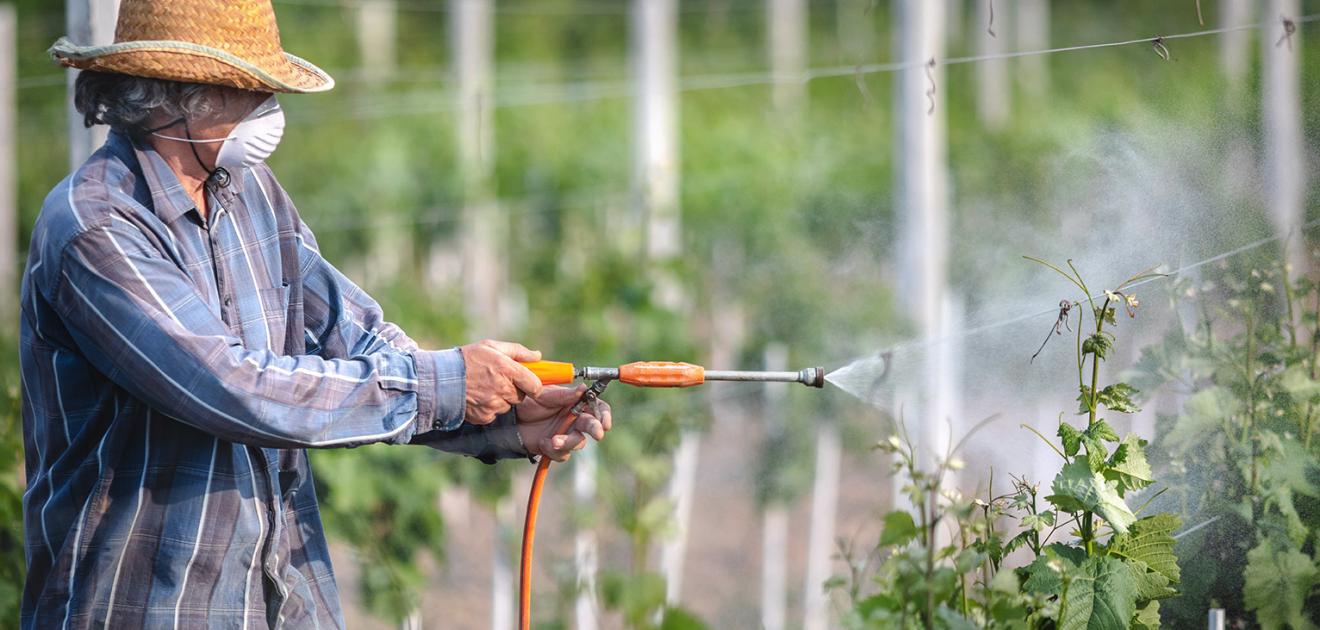
PestiRiv: Launch of the second survey phase to better understand pesticide exposure among people living in wine-growing and non-wine-growing areas
What are the main sources of pesticide exposure? Do these sources differ depending on whether people live near vineyards or far from any crops? Following an initial survey period conducted from October 2021 to February 2022, Santé publique France and ANSES are launching the second phase of the PestiRiv study, from March to August 2022, targeting people living near vineyards and those living far from any crops.
surveys/studies
Learn more about the Pestiriv survey
Santé publique France and ANSES (the French Agency for Food, Environmental and Occupational Health & Safety) are conducting the Pestiriv study to better understand pesticide exposure among people...
What is PestiRiv?
Objectives of the PestiRiv study
Daily life exposes the population to pesticides (including those used in agriculture) through the air, water, food, or more directly during professional and domestic use. The PestiRiv study aims to better understand pesticide exposure among people living near vineyards and those living far from any crops to determine whether certain individuals are more exposed to pesticides than others. This study will provide a better understanding of the sources of these exposures to identify ways to limit them and, consequently, avoid the potential health effects of these products.
This is a groundbreaking study that will compare the actual level of exposure among the population—assessed through biological and environmental samples—with all possible sources of exposure: air, food, occupational activities (including agricultural practices), and domestic uses.
Study Population
The study is being conducted among 2,250 randomly selected households located in wine-growing areas (within 500 meters of vineyards and more than 1,000 meters from other crops) and areas far from any crops (more than 1,000 meters from any crops). In each household, one adult aged 18 to 79 and one child aged 3 to 17 may participate. The randomly selected households are distributed across more than 250 study areas, representing diverse local conditions, in six regions: Auvergne-Rhône-Alpes, Bourgogne-Franche-Comté, Grand Est, Nouvelle-Aquitaine, Occitanie, and Provence-Alpes-Côte d’Azur.
Learn more about the Pestiriv study
PestiRiv Study: Two Study Periods
The fieldwork for the PestiRiv study comprises two periods:
1st period: October 2021 to February 2022, when the use of plant protection products on vineyards is least frequent;
2nd period: from March to August 2022, when treatments are most frequent.
The first field study period of PestiRiv included 784 households located near vineyards, which will be surveyed again between March and August 2022 to track changes in potential pesticide exposure across the seasons. In addition to these households already included, the second survey period, which begins in March 2022, will involve nearly 1,500 additional households.
Objectives of the second survey period
The second survey period will make it possible to:
describe pesticide exposure among people living near vineyards when treatments are most frequent;
describe pesticide exposure among people living far from any crops during the same period;
track changes in potential pesticide exposure among participants included in the first survey period.
It is essential for identifying potential differences in pesticide exposure between people living near vineyards and those living far from any crops, and for better understanding the influence of pesticide treatments on overall pesticide exposure.
Survey Procedure
The entire system for measuring pesticide exposure is implemented through:
Collection of urine and hair samples to measure pesticides present in participants’ bodies.
Collection of dust, indoor air, and fruits and vegetables from the gardens of certain households.
Measurements of pesticides in outdoor air conducted in certain wine-growing areas and other areas far from any crops.
These measurements are accompanied by:
Questionnaires sent to participants to identify sources that may contribute to their pesticide exposure.
A description of the meteorological and topographical conditions that could influence the dispersion of plant protection products in the environment.
An analysis of the agricultural context of the study areas, such as the likelihood of vineyard treatments.
An analysis of national water monitoring data to determine the local contribution of this source to consumer exposure.
Learn more:

Watch the video
Pesticides
thematic dossier
Pesticides are widely used in France, primarily in agriculture, and the population is heavily exposed to them. Their effects on the health of the general population are still poorly understood.












