Lockdown: How Has It Affected Eating Habits?
CP_CoviPrev_nutrition-190520.pdf
Download (PDF - 695.92 KB)
Press Contacts
Santé publique France
presse@santepubliquefrance.fr
Vanessa Lemoine: 01 55 12 53 36
Marie Delibéros: 01 41 79 69 61
Stéphanie Champion: 01 41 79 67 48
Cynthia Bessarion: 01 71 80 15 66
For 51 days, the lockdown imposed due to the COVID-19 pandemic disrupted the daily lives of the French, including their eating habits. Santé publique France included questions about diet in the third and sixth waves of its CoviPrev1 survey to assess these changes.
The main changes reported relate to snacking, home cooking, access to food, and weight. To improve their daily diet, many resources are available, and the French turned to them during lockdown: the website mangerbouger.fr saw a 60% increase in traffic compared to 2019.
A clear impact of lockdown on eating habits
Less balanced diets, more snacking, more home cooking… lockdown has changed eating habits. According to the results of the CoviPrev survey:
17% of respondents consider their diet to be less balanced than before lockdown (compared to 13% reporting a more balanced diet than usual);
22% report snacking between meals more than usual (compared to 17% who snack less than usual);
37% of respondents say they cook homemade meals more often than usual (compared to 4% who cook less often than usual);
27% report having gained weight (compared to 11% who have lost weight).
The trend toward snacking and weight gain has intensified over the course of the lockdown, with 27% of respondents reporting that they snack between meals more than usual in early May (vs. 22% in mid-April) and 36% reporting that they have gained weight (vs. 27% in mid-April).
At the same time, respondents are experiencing supply issues and paying closer attention to their food budget:
57% report having a harder time than usual finding the foods they want in stores
23% are paying more attention than usual to their food budget.
These trends particularly affected people under 40, families with children under 16, people in very difficult financial situations, and people experiencing high levels of anxiety and depression as well as significant sleep problems.
Insights into these trends: the ViQuoP study
During the lockdown, Santé publique France also conducted a qualitative study with an online community. Their responses shed light on these behaviors:
Cooking more can be explained by the time available and the fact that all household members are present for every meal;
the strong tendency toward snacking may help alleviate boredom and stress related to lockdown and the pandemic.
difficulties in obtaining food are linked both to shortages of certain items and to the difficulty of finding affordable food.
“During the lockdown, the French rediscovered the joy of cooking at home. The increase in traffic on the mangerbouger.fr website also reflects their growing interest in cooking and physical activity at home. This new habit, which has been embraced positively, could become a lasting part of their daily lives after lockdown ends. This trend is one to watch,” says Anne-Juliette Serry, head of the nutrition and physical activity unit at Santé publique France.
A need for reliable information about diet and shopping
By combining informative and practical content, the mangerbouger.fr website developed by Santé publique France is a reliable source of information.
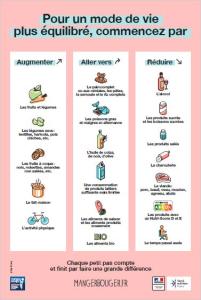
It features several sections on “eating better” and “getting more exercise,” and highlights recommendations for adopting a more balanced lifestyle (infographic).
In fact, the French have embraced this site, as evidenced by record-breaking traffic during the lockdown, with an overall 60% increase in traffic compared to the same period in 2019.
The most visited pages during the lockdown period were the recipe pages—with traffic nearly tripling during the lockdown compared to normal 2019 levels—physical activity exercises, and articles dedicated to COVID-19.
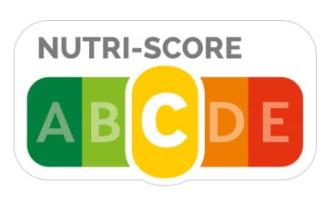
The Nutri-Score nutritional label, found on the packaging of certain food products, is also a useful tool for consumers. Simple, clear, and easy to understand, it allows them to compare products at a glance and make choices that favor foods with better nutritional quality.
1 Survey waves conducted from April 14 to 16 and then from May 4 to 6, 2020, among 2,010 individuals aged 18 and older
2 Study conducted by Santé publique France during the lockdown among an online community: 60 households selected for their sociodemographic diversity were surveyed online once or twice a week to answer two or three open-ended questions. Questions about their diet and food supply were asked on April 21.
Eat and Move
Visit mangerbouger.fr for comprehensive information on nutrition, tools and tips to help you eat better and be more active, as well as a wide variety of recipes.
Our latest news

news
Call for Nominations for the Renewal of the Scientific Advisory Board of the...

news
Growing Up with Screens. A special report in *La Santé en action* No. 474,...

news