infographics
The Story of a Food Recall
How does a food safety alert work in France? What is the organizational structure? Santé publique France outlines the process—from patient consultation to the issuance of an alert—in an infographic.

Santé publique France has released its annual surveillance data on outbreaks of foodborne illness, which show a 9% increase in reported outbreaks in 2019 compared to the previous year.

thematic dossier
A foodborne illness outbreak is defined as the occurrence of at least two cases with similar symptoms—typically gastrointestinal—that can be traced to a single food source. In France, such...
A foodborne illness outbreak (FBO) is defined as the occurrence of at least two cases with similar symptoms—typically gastrointestinal—that can be traced to a single food source. In France, foodborne illness outbreaks have been subject to mandatory reporting (DO) since 1987.
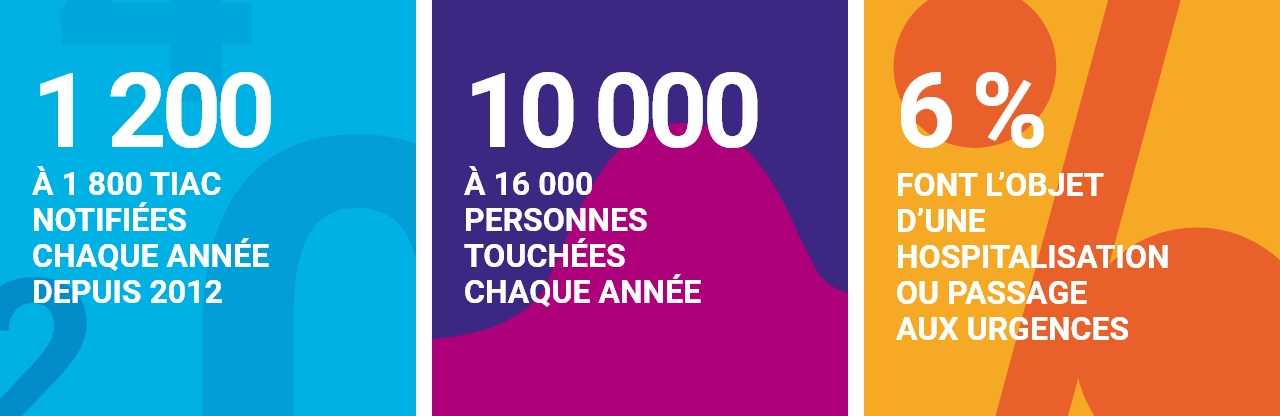
In 2019, 1,783 cases of foodborne illness were reported in France, affecting 15,641 people. 4% of them—609 people—went to the hospital for admission or a visit to the emergency room. There were 12 deaths, representing 0.08% of the total.
+9%
foodborne illness cases in 2019
The number of foodborne illnesses reported in 2019 increased (+9%) compared to the previous year: 1,630 cases were reported in 2018, affecting 14,742 people. The winter of 2019 was marked by an exceptionally high number of foodborne illnesses during the holiday season: 141 foodborne illnesses linked to oyster consumption were reported in December 2019 alone.
The increase in the number of reported foodborne illnesses between 2018 and 2019 was primarily observed in household foodborne illnesses (+21%) and foodborne illnesses in commercial food service establishments (+14%). Foodborne illnesses in institutional food service settings decreased slightly (-5%).
As in previous years, the most frequently confirmed pathogen was Salmonella, accounting for 36% of foodborne illness cases in which a pathogen was confirmed (35% in 2018). The other most commonly suspected pathogens were the toxin-producing bacteria Staphylococcus aureus, Clostridium perfringens, and Bacillus cereus.
Download

bulletin national
18 March 2021
Download
Monitoring the epidemiological trends of foodborne illness outbreaks and describing the characteristics of foodborne illnesses
Identify foods, high-risk products, and/or pathogens to stop transmission, guide control and prevention measures, and assess their impact in collaboration with the relevant authorities
Informing the general public
Contribute to food safety
infographics
How does a food safety alert work in France? What is the organizational structure? Santé publique France outlines the process—from patient consultation to the issuance of an alert—in an infographic.