


AirQ+: A new version of the software announced by the WHO
To mark the 30th anniversary of the Ministerial Conference on Environment and Health in Europe, the WHO is announcing the launch of the latest version of the AirQ+ software: a tool for assessing the health impacts of air pollution.

Air
thematic dossier
Air pollution affects the entire population. The levels of pollutants found in the atmosphere are linked to health risks, and any reduction in exposure to these pollutants would be beneficial.
Updates on tools for the quantitative assessment of the health impacts of air pollution
AirQ+ has just been updated by the WHO to become a user-friendly software tool for quantifying the health effects of air pollution in a given population, in terms of mortality, morbidity, and now also in terms of life expectancy. Other modules are currently under development (carcinogenic effects, economic calculations, etc.).
Santé publique France contributed to the new methodological developments of AirQ+, as well as its translation and adaptation to the French context. It also organized, in conjunction with ADEME, a pilot test of the tool with nine local authorities.
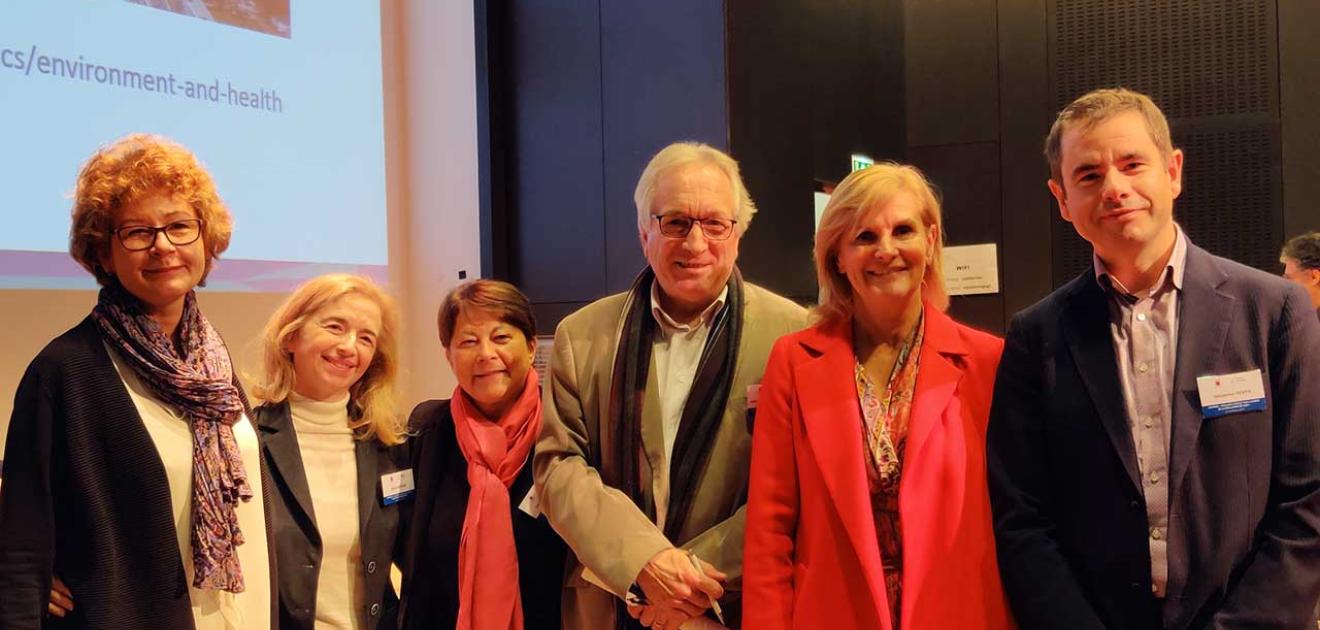
During the “Assessing the Health Impact of Air Pollution” event on November 6, 2019, organized by Santé publique France and ADEME, the WHO presented a preview of AirQ+ in its adaptation for France. Santé publique France presented new guidelines for assessing the health impacts of air pollution in France across three different scenarios, and ADEME presented its report on feedback from the AirQ+ pilot in the nine participating local authorities.
The Ministerial Conferences on Environment and Health in Europe
In the late 1980s, European countries launched this conference with the aim of eliminating the most significant environmental threats to human health. A series of ministerial conferences held every five years and coordinated by WHO/Europe form the basis for the progress made toward achieving this goal.
These conferences are unique in that they bring together different sectors to shape European policies and actions on environment and health.
Key dates of the conferences:
1989: Frankfurt
1994: Helsinki
1999: London
2004: Budapest, on the specific theme "The Future of Our Children"
2010: Parma
2017: Ostrava
In the Parma Declaration, the governments of the 53 Member States of the European Union set specific goals to reduce the negative impact of environmental threats on health within 10 years. The Declaration issued at the last conference in Ostrava in 2017 outlines the priorities in this area for the WHO European Region and provides tools for Member States to develop national action plans, which they have committed to implementing. These must address the need to accelerate progress on health and the environment, and more specifically, the health-related environmental goals and targets of the 2030 Agenda for Sustainable Development.












