


The disease
In most cases, pleural cancer
Mesothelioma is a cancer affecting the serous membranes (membranes surrounding the organs).
By far the most common site (85 to 90% of cases) is the pleura (which surrounds the lungs), followed by the peritoneum (which surrounds the organs in the abdominal cavity) in 8 to 10% of cases. Other sites are possible (pericardium, testicular sheath) but are very rare.
The diagnosis of mesothelioma is complex and relies in particular on a network of experts in pathological anatomy.
The prognosis is poor (average survival of one year).
Asbestos is the only proven risk factor for mesothelioma, based on current knowledge.
Mesothelioma is the only cancer subject to mandatory reporting.
Key Statistics on Mesothelioma

Exposure to asbestos as the only proven risk factor
Asbestos is the only proven risk factor for mesothelioma, based on current knowledge. Asbestos is a proven carcinogen classified as Group 1 by the IARC (International Agency for Research on Cancer) for mesothelioma. Mesothelioma is a reliable indicator of past asbestos exposure, including low-intensity exposure such as environmental exposure.
It should be noted that other risk or susceptibility factors have been mentioned in the literature, but their role appears to be minor in the development of mesothelioma. These include other fibers (such as mineral wool, refractory ceramic fibers (RCF), Kevlar, carbon…), ionizing radiation, simian viruses, genetic mutations, a history of cancer, respiratory diseases, or chronic inflammations (such as Crohn’s disease, endometriosis, or recurrent peritonitis).
Among cases of pleural mesothelioma, occupational exposure to asbestos is found in:
more than 90% of men
about 40% of women
Exposure can also be environmental in origin. Studies demonstrate the existence of a risk of mesothelioma even at very low levels of exposure (particularly environmental exposure).
Significant prevention efforts
Asbestos has been banned in France since 1997 (Decree No. 96-1133 of December 24, 1996, as amended), and numerous regulations have been implemented to prevent exposure and protect individuals who may come into contact with asbestos-containing materials (ACMs)… Many ACMs are still in place, and many professionals or DIYers sometimes work with them without knowing their true nature and therefore without taking specific precautions.
The regulations set forth the measures that must be implemented to:
protect the public, particularly through the identification of asbestos-containing materials (Public Health Code),
protect workers who may be exposed: notably through risk assessment and specific provisions of the Labor Code regarding asbestos removal and encapsulation work, as well as procedures for working with materials that may contain and release asbestos,
protect the environment, particularly regarding waste disposal procedures.
Learn more about the regulations
Underutilized medical-social recognition systems
Recognition as an occupational disease (DMP):
Any patient with mesothelioma who was exposed to asbestos during their professional career while employed may file a DMP claim under Table 30 of the General Social Security System (RGSS). Statistical data published by the RGSS highlight underreporting of occupational diseases for many conditions. For mesothelioma, despite the increase in cases recognized as occupational diseases over the past decade (275 cases in 2000, 410 cases in 2016), approximately 75% of cases eligible for recognition file a claim with the health insurance system (data from the PNSM).
Asbestos
Victims Compensation Fund (FIVA):
Since 2000, individuals diagnosed with mesothelioma who have worked in France may, concurrently with or independently of the DMP, file a claim for compensation with the Asbestos Victims Compensation Fund (FIVA), regardless of their social security coverage or exposure history, as a diagnosis of most mesotheliomas (primary malignant tumors of the pleura, peritoneum, pericardium, and other primary pleural tumors) serves as proof of asbestos exposure.
According to PNSM data, 58% of pleural mesothelioma cases covered by the RGSS filed a claim for compensation with Fiva, compared to only 43% of cases covered by another social security system.
In relation to
thematic dossier
Reportable diseases
The surveillance system for reportable diseases relies on the transmission of data by physicians and laboratory professionals (both in private practice and in hospitals) to the relevant staff at...
Asbestos
thematic dossier
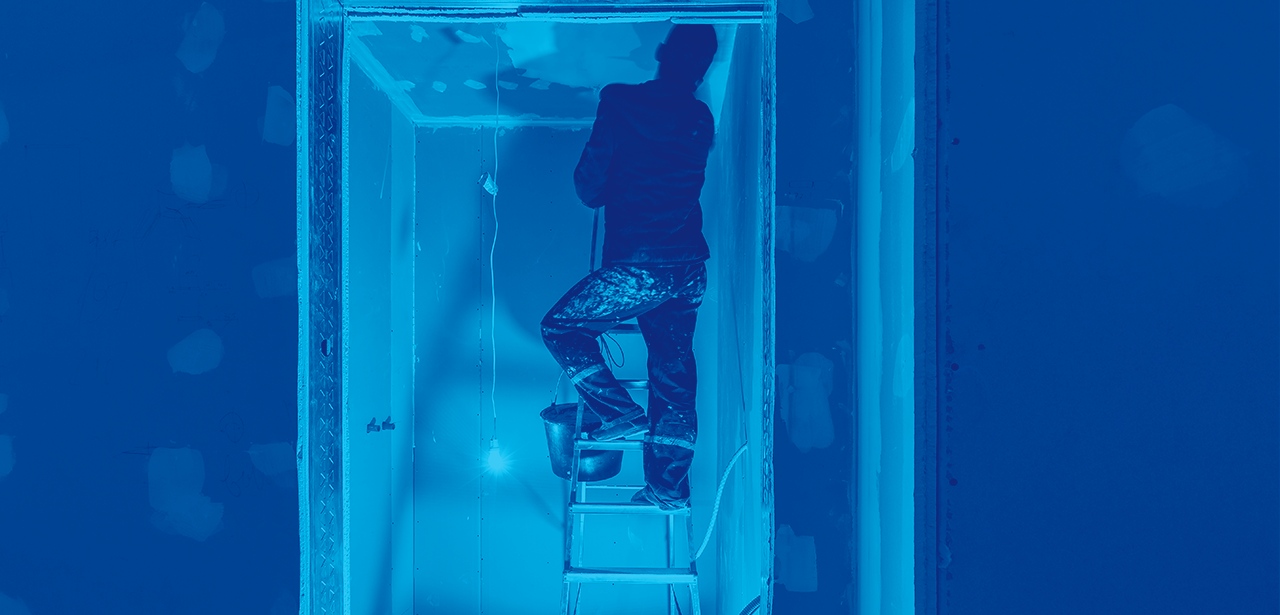
Asbestos can cause various diseases, including cancers (bronchopulmonary cancer, mesothelioma). Widely used until it was banned in France in 1997, it is still very common in buildings.