


Fall Prevention Plan for Older Adults: Santé publique France’s Contribution to the Initiative
On February 21, 2022, Brigitte Bourguignon, Minister Delegate for Senior Care, presented the national action plan to prevent falls among older adults. Here’s a look at this initiative, to which Santé publique France contributed.
How to Age Gracefully
Information and advice on how to feel good physically and mentally, get along with others, and feel at home... Answers to the questions we ask ourselves as we get older.
With more than 100,000 hospitalizations and nearly 10,000 deaths each year, falls among older adults have physical, psychological, and social consequences, and mark a turning point in people’s lives and a loss of independence. The national action plan to combat falls among older adults aims to reduce fall-related mortality among people aged 65 and older by 20% by 2024.
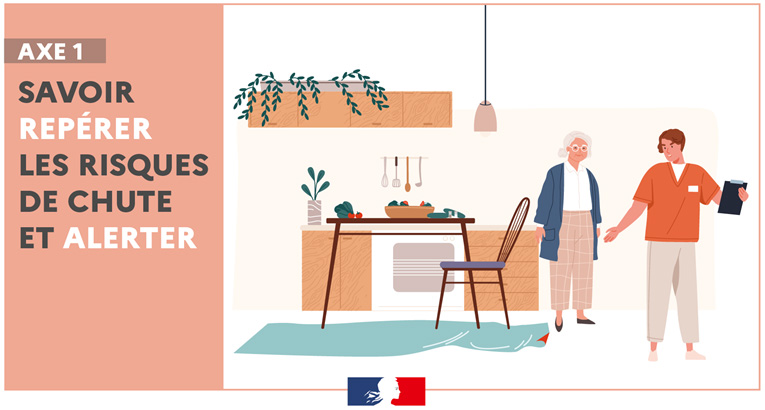
Santé publique France contributed to the development of this plan and is leading Action 4, “Contribute to the monitoring and evaluation of the plan regarding the two national and regional objectives: Reduce fatal and disabling falls among older adults by 20% in 3 years,” under Axis 1, “Identifying fall risks and issuing alerts.” The various planned activities will make it possible to assess its effectiveness.
The ChuPADom Survey: Useful Insights into the Circumstances of Falls Among Older Adults and Their Profiles
Conducted in 2018, the ChuPADom survey described the characteristics and circumstances of home falls among hospitalized older adults aged 65 and older and identified profiles of fall victims. Thus, the average age of fall victims is 84.5 years, and nearly 80% of falls occurred during the day. They most frequently occurred while bathing (15%) or walking (14%). More than half of the hospitalized patients had already experienced a fall in the previous 12 months.
Five faller profiles were identified:
young seniors taking risks and falling from great heights;
seniors living in a house who fall down the stairs;
independent older adults falling due to a loss of balance or height;
dependent older adults falling during low-intensity activities;
very elderly individuals with limited ability to perform activities of daily living.
An ambitious plan centered on five priority areas
Falls among people aged 65 and older are a leading cause of morbidity and mortality in all countries and constitute a major public health problem.
The fall prevention plan spearheaded by the Minister Delegate for Autonomy focuses on informing and raising awareness among all stakeholders—including older adults, caregivers, professionals, elected officials, and civil society—about the risks of falls and their consequences: by combating the trivialization of falls, denial, or the fear of falling, we reduce the risk of falls and their fatal consequences.
The plan is structured around five priority areas and is coordinated in each region by the regional health agencies (ARS), in collaboration with the National Solidarity Fund for Autonomy (CNSA), departmental councils, and other stakeholders involved in preventing loss of autonomy.
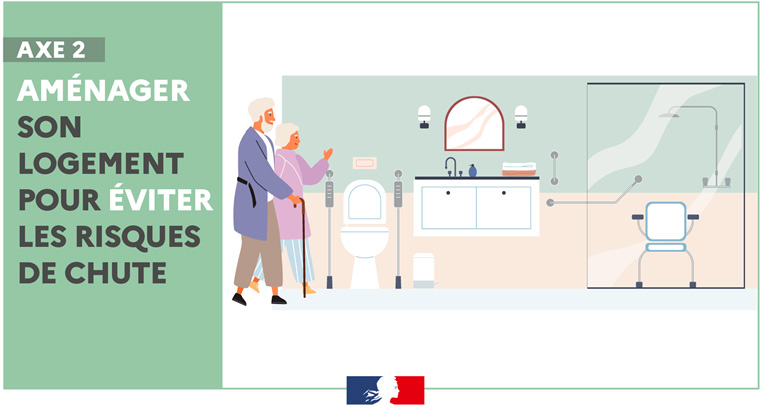
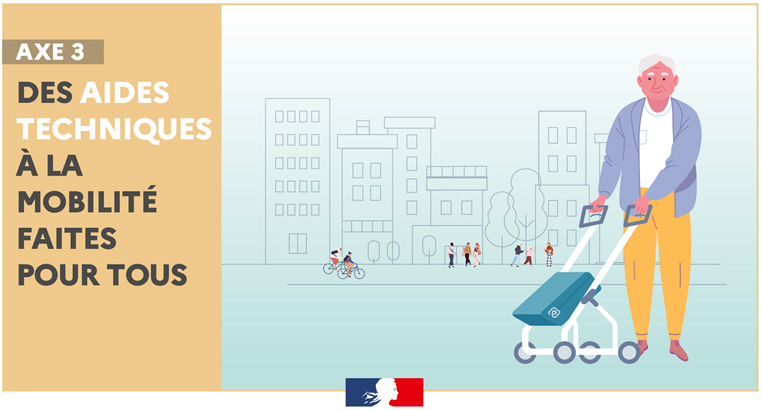
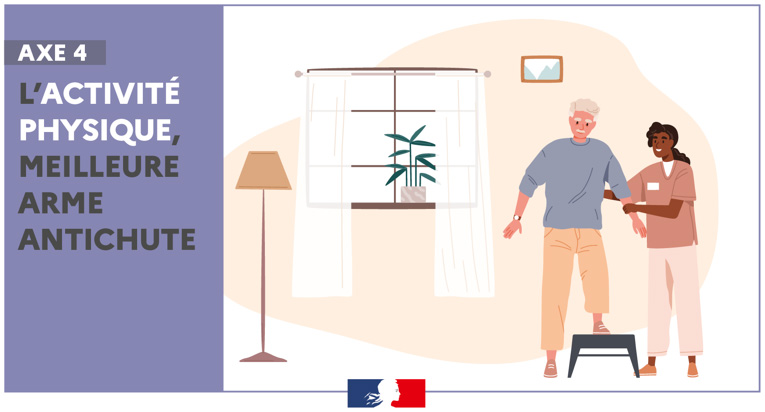
Fall Prevention Plan for Older Adults: The Plan’s 5 Key Areas
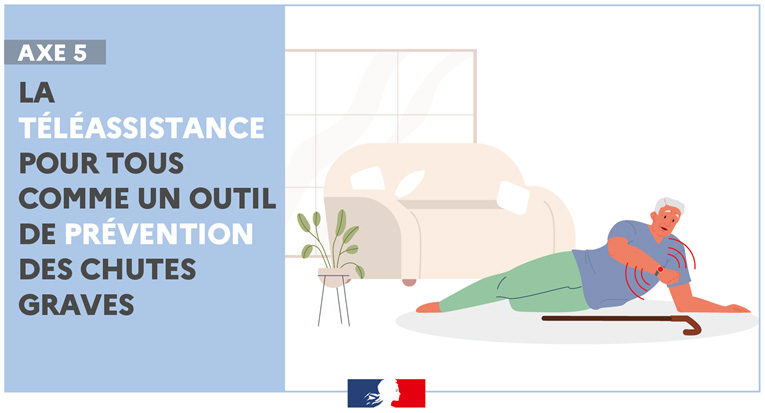
Pillar 5: Telecare for everyone
3 Questions for Marion Torres, Epidemiologist
How is Santé publique France involved in this plan?
Santé publique France was asked to help develop this plan, set its objectives, and determine its priority areas. Santé publique France contributed its expertise and provided the data available or accessible for monitoring falls among older adults. As part of its implementation, we have contributed to the monitoring and evaluation of the plan regarding the two national and regional objectives: to reduce fatal and disabling falls among older adults by 20% over three years. Additionally, Santé publique France will coordinate communication and awareness-raising efforts.
In practical terms, how is the monitoring of falls among older adults conducted?
Using data from the ChuPADom survey, we plan to characterize mortality and sequelae (disabilities, independence, etc.) among individuals hospitalized for a fall one year after their hospitalization. In collaboration with the CepiDC team, we will also estimate fall-related mortality in the general population. Based on this, we will produce indicators.
How frequently will these indicators be produced?
The results from the ChuPADom survey will be analyzed toward the end of 2022. For fall-related mortality in the general population, we will produce an estimate for the years 2019–2021 in 2023, followed by a second estimate for subsequent years at the end of the plan (2024).
Additionally, regarding prevention, Santé publique France is partnering with pension funds to co-develop a brochure and informational videos on fall prevention for older adults. These are available on the pourbienvieillir.fr website.
Learn more
Fall Prevention Plan for Older Adults (Press Kit)
Fall Prevention Plan for Older Adults (flyer)
Fall Prevention Plan for Older Adults (fact sheet)
Information for older adults and professionals is available on the pourbienvieillir.fr website, developed by Santé publique France in partnership with pension funds.
For the target audience:
brochure: moving with confidence
For professionals:
Fall
thematic dossier
The risk of falling increases with age, leading to injuries that can sometimes be serious and even fatal. However, following a few recommendations and taking certain precautions can help reduce...