
thematic dossier
Vector-borne diseases
Les maladies à transmission vectorielle sont des maladies infectieuses transmises par des vecteurs, essentiellement insectes et acariens hématophages. Santé publique France participe à leur...




Arboviral diseases are viral illnesses transmitted by vectors such as mosquitoes or ticks to animal or human hosts. As it does every year, between May 1 and November 30, Santé publique France coordinates enhanced seasonal surveillance of chikungunya, dengue, and Zika in mainland France and reminds the public of the steps they can take to protect themselves from mosquito bites.
thematic dossier
Les maladies à transmission vectorielle sont des maladies infectieuses transmises par des vecteurs, essentiellement insectes et acariens hématophages. Santé publique France participe à leur...
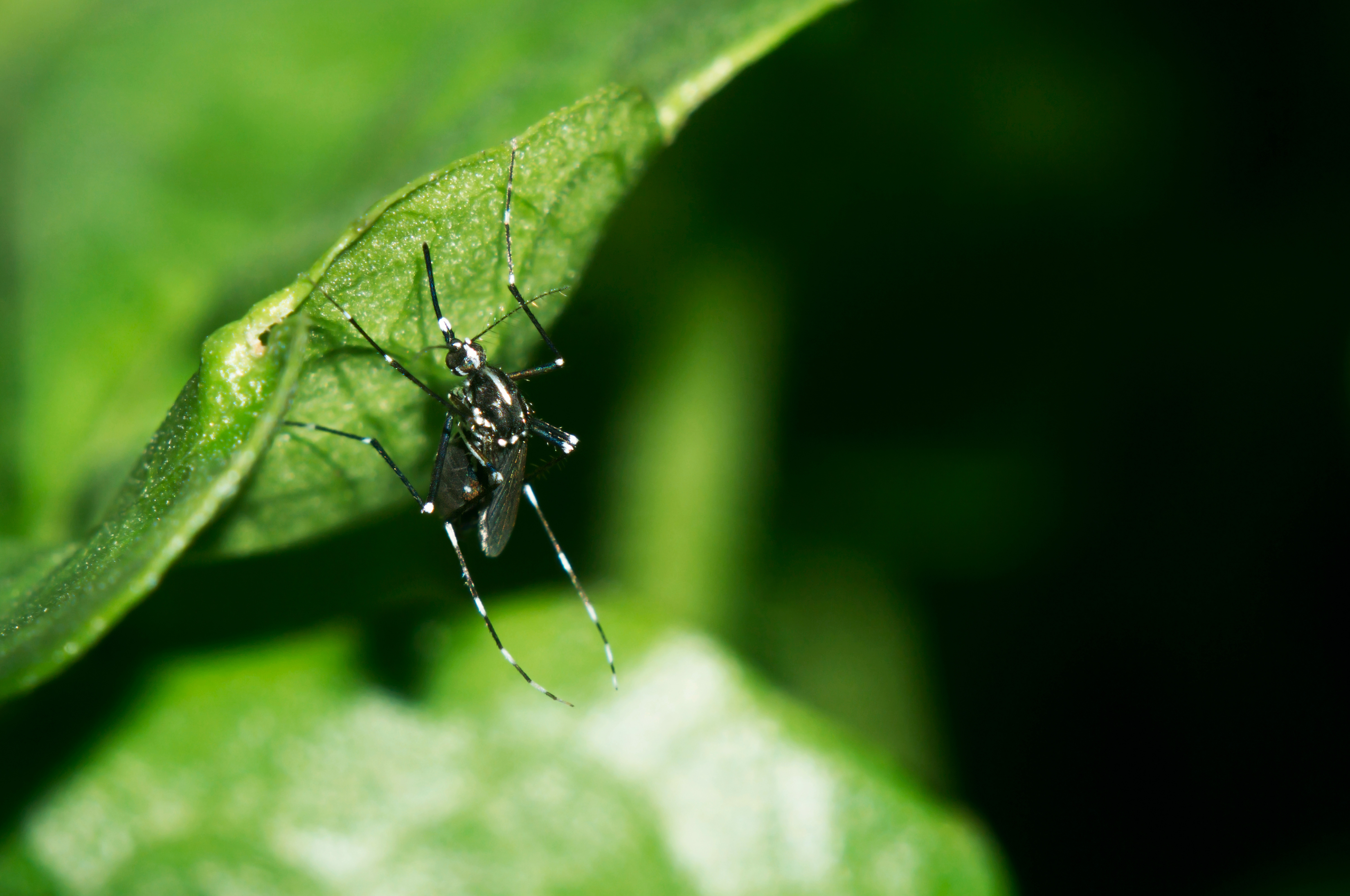
Dengue, Zika, and chikungunya are three arboviral diseases—viral illnesses transmitted by the Aedes albopictus mosquito (also known as the tiger mosquito). Established in several French regions, the tiger mosquito has spread throughout the country since 2004. By the end of 2021, 67 of the 96 metropolitan departments were infested. Each year, from May 1 to November 30, Santé publique France coordinates enhanced seasonal surveillance of these diseases in the metropolitan departments, in collaboration with regional health agencies and National Reference Centers, and publishes key figures identified across the country on a weekly basis. Specific regional updates are also published in regions where the tiger mosquito is present.
From May 1, 2022, to May 20, 2022, the following cases were identified in mainland France:
13 imported cases of dengue; all were diagnosed in departments with documented populations of Aedes albopictus
0 imported cases of chikungunya
0 imported cases of Zika
Learn more: Chikungunya, dengue, and Zika - Enhanced surveillance data for mainland France in 2022
Epidemiological surveillance helps reduce the risk of transmission clusters or even epidemics caused by these viruses. Indeed, the identification of human cases immediately triggers investigations and preventive measures.
The associated entomological surveillance (of mosquitoes) helps slow the spread of the mosquito in departments where it has not yet established itself and limit transmission. Female mosquitoes lay their eggs in breeding sites where standing water is necessary for larval development: mud, saucers, used tires, poorly drained gutters, various types of waste containing standing water, as well as tree hollows and certain plants that can retain water (bamboo, etc.).
The overall objective of this surveillance is to enable rapid intervention by vector control services around potentially viremic human cases in areas where the mosquito is present and to prevent a local transmission cycle.
To detect transmission risks, surveillance relies on mandatory reporting of all biologically confirmed cases, whether imported or locally acquired. Each report is submitted by physicians and laboratories and immediately triggers an epidemiological and entomological investigation.
Reports of the mosquito’s presence from the public are the primary source of information for monitoring its spread across mainland France. You can report its presence on the official health authorities’ website: signalement-moustique.anses.fr.
To protect yourself and avoid mosquito bites in areas where cases of chikungunya, dengue, or Zika have been reported, here are the steps to take:
Wear loose-fitting, long-sleeved clothing
Use mosquito repellents
Sleep under a mosquito net
Plug in electric mosquito repellent diffusers
Use mosquito coils outdoors
Upon returning from regions where cases have been reported, it is recommended that you:
to see a doctor if you experience symptoms (joint pain, muscle pain, headaches, rash with or without fever, conjunctivitis, etc.)
to avoid being bitten by a mosquito and thereby infecting new Aedes mosquitoes that could transmit the virus to another person
Learn more:
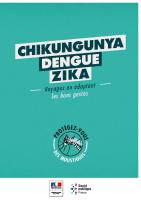
Download the brochure "Chikungunya, Dengue, Zika: Travel Safely"
Chikungunya, dengue, and Zika are infectious diseases transmitted by vectors—specifically, Aedes mosquitoes, such as Aedes albopictus in Europe.
The infection is transmitted by an infected mosquito vector (which has previously bitten an infected person) that can, during another bite, transmit the virus to a new person. An infected person is "contagious to mosquitoes" when the virus is present in their blood (viremic).
The symptoms of these diseases manifest as a sudden, high fever. It is often accompanied by chills, headaches, retro-orbital pain, nausea, vomiting, joint and muscle pain, and, occasionally, a rash.
Learn more:
news