
Tools
Here you will find the resources (videos, TV spots, radio spots) and prevention materials made available to healthcare professionals and the general public
depliant/flyer
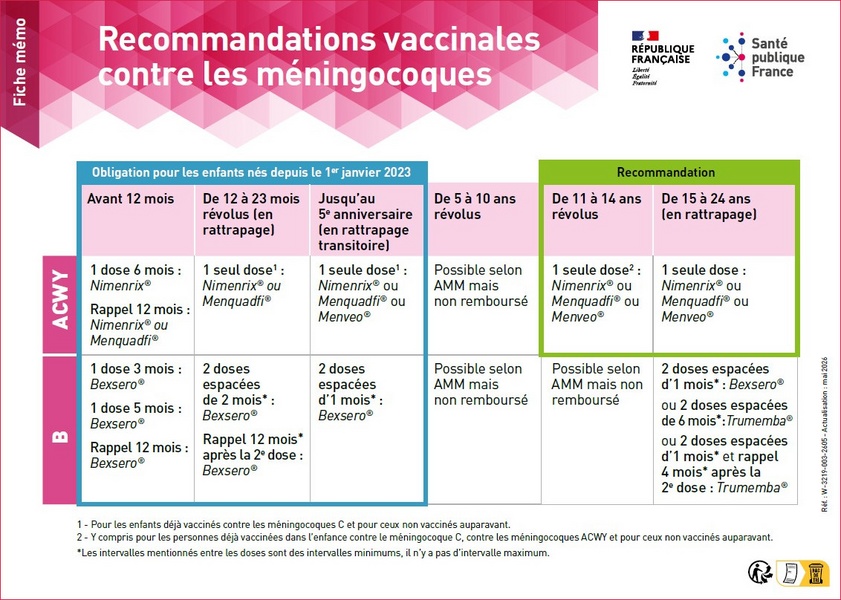
Meningococcal Vaccination Recommendations: Fact Sheet
This fact sheet is intended to assist healthcare professionals with meningococcal vaccination. It presents a summary table of the various vaccination schedules based on meningococcal serogroups...
leaflet/flyer
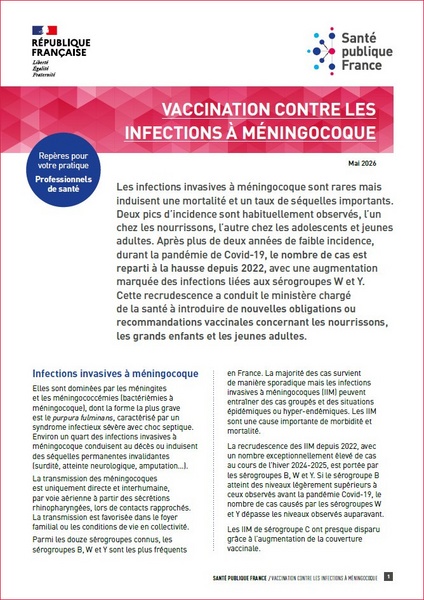
Vaccination Against Meningococcal Infections: Guidelines for Your Practice
This document, intended for healthcare professionals, provides an overview of the current epidemiological characteristics of invasive meningococcal infections, vaccination recommendations, and...
depliant/flyer
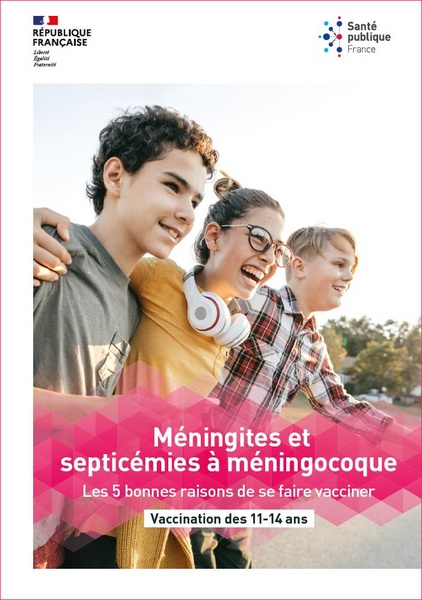
Méningites et septicémies à méningocoque : Les 5 bonnes raisons de se faire ...
Ce dépliant, à destination des parents d’enfants de 11 à 14 ans, donne des informations sur les infections invasives à méningocoques et sur les recommandations vaccinales pour s’en protéger.
depliant/flyer
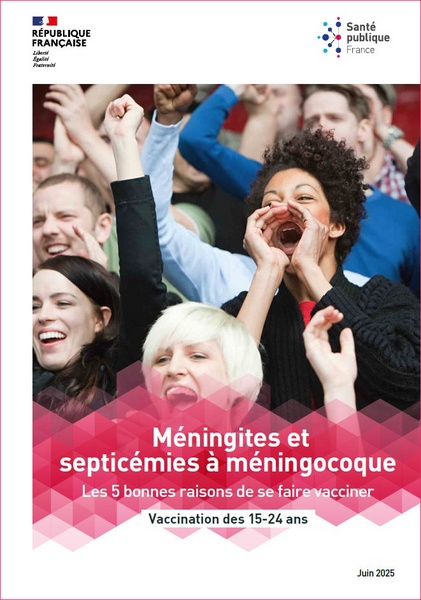
Méningites et septicémies à méningocoque : Les 5 bonnes raisons de se faire ...
Ce dépliant, à destination des parents d’adolescents de plus de 15 ans, des adolescents et des jeunes adultes jusqu’à 24 ans, donne des informations sur les infections invasives à méningocoques et...
brochure
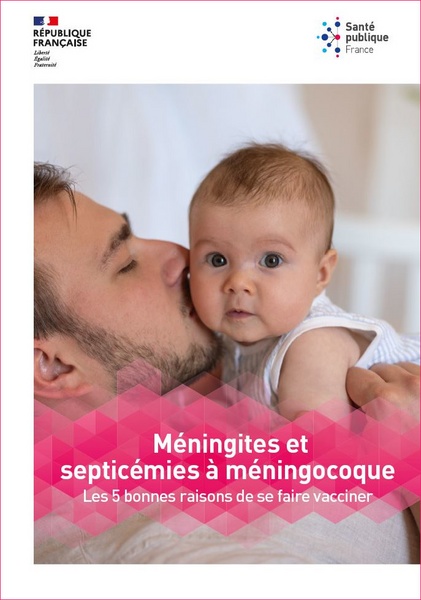
Méningites et septicémies à méningocoque : Les 5 bonnes raisons de se faire ...
Dépliant à destination des parents de nourrissons, pour une première injection à 3 mois pour le type B, et à 6 mois pour les types ACWY. Diffusion auprès des professionnels de santé.
In relation to

Vaccination
thematic dossier
Contagious diseases most often affect children at a very young age. Because children are particularly vulnerable, they are a priority target for vaccination programs.